



Date: 15/06/2026

We, the Undersigned Organisations, Individuals, Groups, Movements and Communities welcome President Cyril Ramaphosa’s unequivocal condemnation of xenophobia, and unlawful attempts by private individuals and groups to enforce immigration laws.
The President’s affirmation that immigration enforcement is the responsibility of the state, and not private actors, is an important reaffirmation of the rule of law and South Africa’s constitutional commitment to human dignity, equality, and non-discrimination.
We acknowledge and welcome several important commitments in the President’s address.
Our Concerns
Alongside these welcome commitments, we wish to place the following concerns on the public record.
The political framing risks validating the narratives that drive xenophobia:
A state that simultaneously condemns xenophobic violence and validates the political framing that produces it creates conditions in which the next outbreak of violence occurs without the political legitimacy required to prevent it. – Lawyers for Human Rights
The address does not adequately address the failure to protect those who sought protection — the Durban case:
The proposed relocation of refugee reception offices to border posts raises serious protection concerns:
Corruption in the asylum system is the state’s own failure, not migrants:
The Employment Services Amendment Bill and labour quota proposals require careful human rights scrutiny:
What Genuine Protection of South Africa and Migrants Requires: What we ask of the government the following:
The President has chosen to speak directly to the crisis unfolding in South Africa’s communities. For that, we are grateful. The commitments in his address, that immigration enforcement is a state function, that xenophobia has no place in South Africa, that human dignity and the Constitution must be upheld, are the right affirmations. They must be given operational content.
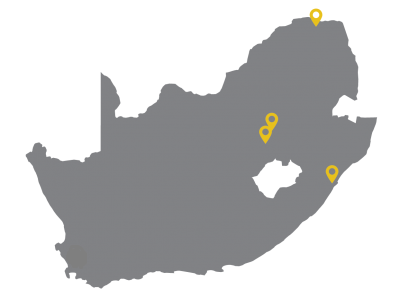
Words spoken from the Union Buildings reach communities in Durban, Johannesburg, Estcourt and beyond. They reach the formations that have driven people from their homes and told them they must leave by 30 June 2026. They reach the police officers who will decide, in the field, whether to open cases for foreign nationals who have been attacked. They reach the officials who will decide whether to conduct immigration operations under vigilante pressure or under constitutional norms.
“The measure of the President’s address will not be its language. It will be what happens on 30 June 2026, and the day after that, and the day after that.” – Lawyers for Human Rights
We remain committed to working constructively with the government toward a migration framework that is lawful, humane, evidence-based, and protective of all persons within South Africa’s borders. We remain equally committed to holding the government to account — through legal proceedings, advocacy, and public engagement — when that framework fails the people it is supposed to serve.
Ends,
For More information or enquiries please contact mpho@lhr.org.za and/ or sharone@lhr.org.za
Undersigned Organizations, Individuals, Groups, Movements and Communities:
Press Statement | Lawyers for Human Rights...
Lawyers for Human Rights (LHR) proudly congratulates our National Director, Nabeelah Mia, on her inclusion in the Mail & Guardian Power of...
Date: 02/10/2026
Press Statement | Early Child Development Centers...
Three Early Child Development center, or creche, principals from Orange Farm Township are facing fines of R5,000 for operating without a City of Johannesburg permit.
Date: 01/10/2026
Press Statement | South Africa Does Not...
The recent murders of women in the Kempton Park area are a stark reminder that gender-based violence and femicide (GBVF)...
Date: 15/09/2026
Press Statement | Survivors and Families of...
Survivors and family members of victims of the Sharpeville Massacre have launched a legal claim against the South African government...
Date: 03/09/2026
Joint Press Statement | Community Leaders To...
Community leaders, grassroots activists and civil society organisations will gather in Pretoria on 24 August 2026 for the Tshwane Urban Activist School (TUAS)...
Date: 23/08/2026
Joint Press statement | Feast of the...
Feast of the Clowns partner organisations officially launch the 2026 Feast of the Clowns campaign under the theme: Reset! Organise!...
Date: 18/08/2026
Press Statement | Lawyers For Human Rights...
Lawyers for Human Rights (LHR) has secured the release of a deceased minor child’s body after intervening in a matter...
Date: 03/08/2026
Joint Press Statement | African Youth Take...
In a historic milestone for regional environmental litigation, Lawyers for Human Rights (LHR) and Young Voices for Climate Justice (YV4CJ)...
Date: 23/07/2026
JOINT PRESS STATEMENT | SHE SURVIVED WAR....
ISLA and LHR challenged the unlawful rejection of a Congolese survivor’s asylum claim on the International Day for the Elimination...
Date: 15/07/2026
Joint Press Statement | Scalabrini Centre of...
Scalabrini Centre of Cape Town and Lawyers for Human Rights Welcome Landmark Constitutional Court Judgment Protecting the Right to Seek...
Date: 07/07/2026
Opinion Piece | Towards a Binding Future:...
On 24 and 25 June 2026, Lawyers for Human Rights (LHR), Alternative Information and Development Centre (AIDC), and Centre for...
Date: 26/06/2026
JOINT PRESS STATEMENT | FOR IMMEDIATE RELEASE...
Lawyers for Human Rights (LHR), acting on behalf of Kopanang Africa Against Xenophobia (KAAX), welcomes the significant outcome achieved in...
Date: 30/06/2026
Opinion Piece – Corporate Impunity in an...
Across the African continent, rural and working-class communities continue to to bear the costs of poorly regulated corporate expansion. From...
Date: 23/06/2026
Opinion Piece : The Price Children Pay...
For millions of people living near mines, factories and polluted rivers, environmental destruction is not a far-removed climate concern but a daily reality...
Date: 03/06/2026
Joint Press Statement: 8th Session of Africa’s...
The Alternative Information and Development Centre (AIDC), the Centre for Applied Legal Studies (CALS), and Lawyers for Human Rights (LHR)...
Date: 22/06/2026
Press Statement | World Refugee Day 2026:...
Today, on World Refugee Day, we commemorate and honour the resilience of those who were forced to flee their homes....
Date: 20/06/2026
Press Statement: Victory for LGBTQIA+ Rights in...
Lawyers for Human Rights (LHR) welcomes the judgment of the Gauteng Division of the High Court, sitting as the Equality...
Date: 19/06/2026
Joint Press Statement: for Immediate Release |...
We, the Undersigned Organisations, Individuals, Groups, Movements and Communities welcome President Cyril Ramaphosa’s unequivocal condemnation of xenophobia, and unlawful attempts...
Date: 15/06/2026
Joint Press Statement | Plastic View on...
PRETORIA, – The undersigned organizations have learnt with deep sadness and outrage of the devastating fire currently engulfing parts of...
Date: 24/05/2026
Joint Press Statement | Statement of outrage...
We, the undersigned organisations and individuals, express our deep outrage and condemnation at the recent heavy-handed conduct of state officials...
Date: 25/05/2026
Press Statement: The Palmridge Magistrates Court Rejects...
On 24 April 2026, the Palmridge Magistrates Court dismissed, with costs, an eviction application brought by the applicant against his...
Date: 21/05/2026
Press Statement | Immediate Release: Lawyers for...
JOHANNESBURG —Lawyers for Human Rights (LHR) is pleased to announce the appointment of Kayan Leung as its new Deputy Director...
Date: 07/04/2026
Joint Press Statement | Prison torture in...
Today, 17 February 2026, Lawyers for Human Rights (“LHR”) and Webber Wentzel will be in the Supreme Court of Appeal...
Date: 17/02/2026
Joint Press Statement | North West High...
Today Lawyers for Human Rights together with the ten non-profit organisations involved welcome the North West High Court’s judgment in...
Date: 12/02/2026
Joint Press Statement | Scalabrini Centre to...
The Scalabrini Centre of Cape Town, represented by Lawyers for Human Rights (LHR), approached the Western Cape High Court to...
Date: 12/02/2026
Lawyers for Human Rights appoints Nabeelah Mia...
The Board of Lawyers for Human Rights (LHR) is pleased to announce the appointment of Nabeelah Mia as its new...
Date: 09/02/2026
Press Statement | VICTORY FOR RABIE RIDGE...
Lawyers for Human Rights welcomes the landmark judgment delivered by the Supreme Court of Appeal (SCA) in City of Johannesburg...
Date: 05/11/2025
Press Statement | Lawyers for Human Rights...
Disappointingly, the long running contempt of court case that LHR’s Workers Rights Project and the Casual Workers Advice Office have...
Date: 13/11/2025
Press Statement | Lawyers for Human Rights...
Lawyers for Human Rights (“LHR”) welcomes the landmark judgment delivered by the Gauteng Local Division of the High Court, sitting...
Date: 14/11/2025
Press Statement | Lawyers for Human Rights...
Lawyers for Human Rights today welcomes the landmark judgment delivered on 4 November 2025 by the Gauteng Division of the High Court, Johannesburg. This...
Date: 05/11/2025
PUBLIC STATEMENT | LAWYERS FOR HUMAN RIGHTS...
Lawyers For Human Rights (LHR) condemns in the strongest possible terms the brutal and targeted assassination of Tebogo Shawn ‘Paps’...
Date: 17/10/2025
Public Statement | Lawyers for Human Rights...
On 17 September 2025, Lawyers for Human Rights (LHR) announced its decision and position on the upcoming National Dialogue process....
Date: 10/10/2025
A NEW ERA FOR FAMILIES: PARENTAL LEAVE...
On 3 October, the Constitutional Court handed down a unanimous judgment that will transform the parental leave system, taking a...
Date: 07/10/2025
PRESS STATEMENT | North West NGOs Unite...
We, the undersigned NGOs in North West Province, are gravely concerned by the Department of Social Development’s sudden decision to...
Date: 02/10/2025
Public Statement | Immediate Release | Lawyers...
Lawyers for Human Rights (LHR) welcomes the launch of the South African Human Rights Commission’s (SAHRC) National Inquiry into the...
Date: 01/10/2025
Press Statement | LHR condemns Gauteng Premier...
Lawyers for Human Rights is alarmed by Gauteng Premier Panyaza Lesufi’s remarks threatening to demolish informal settlements at midnight.
Date: 11/09/2025
PRESS STATEMENT Transgender Inmate: LHR heads to...
On 12 September 2025, Lawyers for Human Rights (“LHR”) will appear before the Johannesburg High Court, sitting as the Equality...
Date: 08/09/2025
PRESS STATEMENT | Company’s Stalingrad Legal Defence...
On Thursday 28 August, three directors of Integrated Business Supply, were ordered to appear in person on 11 November to...
Date: 28/08/2025
PRESS STATEMENT | Amici Curiae Applicants to...
On 1–2 September 2025, the African Policing Civilian Oversight Forum (APCOF), the Centre for Human Rights, University of Pretoria (CHR),...
Date: 01/09/2025
CLOSED | JOB OPPORTUNITY | Legal Researcher
Lawyers for Human Rights (LHR) invites applications from suitably qualified candidates to join our team as a Legal Researcher for...
Date: 14/07/2025
PRESS STATEMENT | Landmark Ruling: Western Cape...
Yesterday the Western Cape High Court delivered a significant judgment declaring several refugee protection compromising provisions of the Refugees Act...
Date: 16/05/2025
PRESS STATEMENT | LHR, Sanef, Amnesty Intl...
Journalists and human rights defenders in South Africa and the region are facing rising threats in the form of online...
Date: 03/05/2025
PRESS STATEMENT | Con Court confirms right...
The Constitutional Court of South Africa today delivered a landmark judgment in the matter of Minister of Justice and Correctional...
Date: 30/04/2025
JOINT STATEMENT | Sexual and Gender-Based Violence...
Recent news of the rape of a seven-year-old girl in Matatiele has sparked national outrage and seen thousands protesting for...
Date: 15/04/2025
JOINT STATEMENT | A call for the...
This week, during the 45th Ordinary Session of the African Committee of Experts on the Rights and Welfare of the...
Date: 10/04/2025
PRESS STATEMENT | Scalabrini Centre of Cape...
On 27 February 2025, the Scalabrini Centre of Cape Town (Scalabrini) and Lawyers for Human Rights (LHR) will return to...
Date: 27/02/2025
PRESS STATEMENT | Labour Court Throws Out...
On 13 February 2025, the Labour Court struck off the roll an urgent application brought by Crown Household (the employer)...
Date: 14/02/2025
JOINT PRESS STATEMENT | Upholding Womxn’s Right...
The South African Pharmacy Council (SAPC) has issued an e-Note confirming that pharmacists may not refuse to dispense abortifacients (a...
Date: 05/02/2025
JOINT PRESS STATEMENT | LHR and the...
The theme for this year’s International Day of Persons with Disabilities, “Consolidate and Accelerate Rights of Persons with Disabilities into...
Date: 03/12/2024
PRESS STATEMENT | Pretoria High Court grants...
The Gauteng High Court, Pretoria, virtually heard an urgent application today at 14:45 on Sunday, 1 December 2024 brought by...
Date: 01/12/2024
PRESS STATEMENT | LHR condemns government response...
Lawyers for Human Rights (LHR) strongly condemns the government’s inadequate and irresponsible response to the Stilfontein Mine tragedy. The intentional...
Date: 15/11/2024
PRESS STATEMENT | LHR in Con Court...
Today, 14 November 2024, Lawyers for Human Rights (LHR) will be in the Constitutional Court representing a client in an...
Date: 14/11/2024
PRESS STATEMENT | Con Court to decide...
Today, Lawyers for Human Rights will represent the Centre for Human Rights, Solidarity Centre South Africa, International Lawyers Assisting Workers...
Date: 01/11/2024
PRESS STATEMENT | Johannesburg High Court Recognises...
Lawyers for Human Rights (LHR) is pleased to announce that the Johannesburg High Court has granted a landmark order recognising...
Date: 31/10/2024
PRESS STATEMENT | LHR secures reunification of...
Lawyers for Human Rights (LHR) has secured the reunification of children with their families following a recent raid on a...
Date: 23/10/2024
PRESS STATEMENT | Court declares key provisions...
A landmark judgment was delivered on 30 September 2024 by the Pretoria High Court, declaring several sections of the Criminal...
Date: 01/10/2024
PRESS STATEMENT | Home Affairs ordered to...
In a significant legal victory for Lawyers for Human Rights (LHR) and vulnerable individuals across South Africa, the Pretoria High...
Date: 20/09/2024
PRESS STATEMENT | The Personal Is Political:...
South Africa’s decision to continue playing against the Afghanistan national cricket team is not just a sporting choice—it is a...
Date: 12/09/2024
CONSULTING OPPORTUNITY | Monitoring, Evaluation and Learning...
Lawyers for Human Rights is seeking an individual, organisation, or group to serve as a Monitoring, Evaluation, and Learning (MEL)...
Date: 02/09/2024
PRESS STATEMENT | Landmark Decision on Arms...
Today, the Southern Africa Litigation Centre (SALC), represented by Lawyers for Human Rights (LHR), was granted an order by the...
Date: 19/07/2024
PRESS STATEMENT | LHR to Represent Centre...
Lawyers for Human Rights (LHR) will represent the Centre for Human Rights (CHR) and the Psychological Society of South Africa...
Date: 19/07/2024
JOB OPPORTUNITY | Attorney in the LHR...
Lawyers for Human Rights (LHR) seeks to appoint an attorney for its Strategic Litigation Programme. The successful candidate will support...
Date: 25/06/2024
PRESS STATEMENT | New research report on...
Today, Lawyers for Human Rights together with Rosa Luxemburg Stiftung (foundation) launch their new research report, Unpacking the state of...
Date: 21/06/2024
PRESS STATEMENT | African Regional Indaba on...
Civil society organisations are hosting the fifth African regional indaba on the UN binding treaty on business and human rights...
Date: 20/06/2024
PRESS STATEMENT | Scalabrini Centre & Lawyers...
Today, the Scalabrini Centre and Lawyers for Human Rights are set to take legal action against the Department of Home...
Date: 24/05/2024
JOB OPPORTUNITY | Detention Monitoring Unit/Johannesburg Law...
Lawyers for Human Rights invites applicants to apply for an Attorney post at the LHR Law Clinic in Johannesburg. Lawyers...
Date: 22/05/2024
CALL FOR APPLICATIONS | Young Voices 4...
Are you passionate about making a difference to our planet? Lawyers for Human Rights (LHR) wants YOU to join our...
Date: 20/05/2024
PRESS STATEMENT | Dutch Developer in Criminal...
On 8th May 2024, MAXXLiving, a multinational company registered in South Africa and the Netherlands, and its CEO and sole...
Date: 13/05/2024
Reflecting on the 43rd Ordinary Session of...
During the week of 15th – 20th April 2024, the Centre for Child Law (CCL) and Lawyers for Human Rights...
Date: 30/04/2024
PRESS STATEMENT | LHR goes to court...
Lawyers for Human Rights (LHR) has launched two new applications, one in the Johannesburg High Court and another in the...
Date: 29/04/2024
CONSULTANCY | Seeking a Digital Innovation Consultant
The United Nations High Commissioner for Refugees and Lawyers for Human Rights are seeking to appoint a Digital Innovation Consultant,...
Date: 08/03/2024
PRESS STATEMENT | Sefikile community in court...
LHR is in the Mafikeng High Court today on behalf of the Sefikile community. Our clients are opposing an application...
Date: 28/02/2024
PRESS STATEMENT | LHR makes submission on...
Yesterday, 31 January 2024, was the deadline for public comments and submissions on the Department of Home Affairs (DHA) White...
Date: 01/02/2024
PRESS STATEMENT | Home Affairs practice of...
Judgment was handed down on Tuesday, 16 January 2024 by Judge Van der Schyff in the matter of Phindile Philile...
Date: 17/01/2024
PRESS STATEMENT | Con Court confirms abandonment...
On Tuesday 12 December 2023, Lawyers for Human Rights noted the Constitutional Court’s long-await judgment in the so-called “abandonment provisions”...
Date: 14/12/2023
Thulisiwe’s story #UnblockMyID #UnlockMyLife
Dear Department of Home Affairs, behind every blocked ID is a real human being! Living a meaningful life without a...
Date: 14/12/2023
Solly’s story #UnblockMyID #UnlockMyLife
Dear Department of Home Affairs, Solly’s family is at risk every day his ID remains blocked. Your mandate is to...
Date: 13/12/2023
David’s story #UnblockMyID #UnlockMyLife
Dear Department of Home Affairs, David’s children have no documents because his ID has been blocked for 11 years. Listen...
Date: 12/12/2023
PRESS STATEMENT | New report documenting experiences...
Today, Lawyers for Human Rights launched a report on the Status of Immigration Detention in South Africa. The practice of...
Date: 11/12/2023
Andries’s story #UnblockMyID #UnlockMyLife
Dear Department of Home Affairs, denying Andries a birth certificate and ID means denying him a future.
Date: 11/12/2023
PRESS STATEMENT | SCA confirms right of...
Judgment was handed down today, 8 November 2023, by the Supreme Court of Appeal in the matter of Minister of...
Date: 08/11/2023
PRESS STATEMENT | Con Court confirms sections...
Judgment was handed down today, 30 October 2023, at the Constitutional Court in the matter of Ex Parte Minister of...
Date: 30/10/2023
PRESS STATEMENT | Judgment expected today in...
Today at 10.30am, judgment will be handed down at the Constitutional Court in the matter of Ex Parte Minister of...
Date: 30/10/2023
PRESS STATEMENT | Ground-breaking judgment for gender...
Judgment was handed down at the Johannesburg High Court yesterday by Deputy Judge President Roland Sutherland in the matter of Werner...
Date: 26/10/2023
LHR joins the Africa Region Intersessional Consultation...
Lawyers for Human Rights (LHR) is delighted to announce its participation in the Africa Region Intersessional Consultation on the United...
Date: 03/10/2023
PRESS STATEMENT | LHR in Supreme Court...
Lawyers for Human Rights will be in the Supreme Court of Appeal today, 13 September 2023, representing a client in...
Date: 13/09/2023
PRESS STATEMENT | Lawyers for Human Rights...
LHR represents over 100 people in a court challenge against the Department of Home Affairs’ (DHA) ID blocking practice. This...
Date: 11/09/2023
PRESS STATEMENT | LHR acting for Scalabrini...
Lawyers for Human Rights will be representing Scalabrini Centre of Cape Town as amicus curiae (friend of the court) today...
Date: 07/09/2023
PRESS STATEMENT | LHR in court to...
LHR’s Land, Housing and Property Right Unit is in the Pretoria High Court today representing a community of about 400...
Date: 06/09/2023
PRESS STATEMENT | Correctional Services found 100%...
Judgment was handed down at the Johannesburg High Court in the matter of Smith and Others v Minister of Justice...
Date: 31/08/2023
PRESS STATEMENT | LHR at the second...
Lawyers for Human Rights is proud to announce our participation in the second session of the Africa Business and Human...
Date: 04/09/2023
PRESS STATEMENT | Judgment in prison torture...
Tomorrow, 31 August 2023 at 10am, judgment will be handed down at the Johannesburg High Court in the matter of...
Date: 30/08/2023
PRESS STATEMENT | Farm Allandale Evictions Ruled...
In a pivotal court decision, the recent series of evictions undertaken by the City of Johannesburg (COJ) and the MMC...
Date: 29/08/2023
PRESS STATEMENT | Centre for Child Law...
The Centre for Child Law (CCL) and Lawyers for Human Rights (LHR) have released a booklet aimed at equipping children...
Date: 28/08/2023
PRESS STATEMENT | LHR deeply saddened by...
It is with great sadness that LHR has learned of the death of Jomo Keromeng. Jomo was a nurse by...
Date: 24/08/2023
PRESS STATEMENT | Constitutional Court to Review...
Lawyers for Human Rights (LHR) will be representing the Consortium for Refugees and Migrants in South Africa (CoRMSA) today in...
Date: 24/08/2023
PRESS STATEMENT | LHR representing friends of...
Lawyers for Human Rights (LHR) will be representing the Centre for Human Rights at the University of Pretoria, Solidarity Centre...
Date: 21/08/2023
PRESS STATEMENT | Muldersdrift Residents Protest A...
On Tuesday the 18th of July residents of Tilly’s Farm, Muldersdrift will be protesting outside the Country Gardens Estate luxury...
Date: 17/07/2023
PRESS STATEMENT | Civil society organisations condemn...
In April 2023, the Gauteng High Court upheld the right of all pregnant and lactating women, and children under 6,...
Date: 04/07/2023
PRESS STATEMENT | Civil society organisations host...
Civil society organisations are hosting the fourth African regional indaba on the UN binding treaty on business and human rights...
Date: 27/06/2023
JOINT PRESS STATEMENT | World Refugee Day...
We mark World Refugee Day (WRD) with solemn remarks from the UN High Commissioner for Refugees who reminds us of...
Date: 20/06/2023
PRESS STATEMENT | LHR back in Con...
Lawyers for Human Rights (LHR) will be in the Constitutional Court on Thursday 25 May 2023 9:00am as an intervening...
Date: 24/05/2023
PRESS STATEMENT | LHR an GDX launch...
Lawyers for Human Rights (LHR) and Gender Dynamix (GDX) have partnered to raise awareness and bring to the forefront the...
Date: 31/03/2023
INTERNSHIP OPPORTUNITY | LHR Johannesburg Law Clinic
The Lawyers for Human Rights Johannesburg Law Clinic is looking for interns to join its Refugee & Migrant Rights Programme.
Date: 15/03/2023
PRESS STATEMENT | Gauteng High Court orders...
On 27 February 2023, the Gauteng High Court handed down judgment in favour of Tebogo Khoza, ordering the Department of...
Date: 02/03/2023
ANNOUNCEMENT | Our Immigration Detention Hotline is...
Today our new Immigration Detention Hotline for quick and easy access to legal assistance goes live!
Date: 28/02/2023
MEDIA ALERT: New handbook on rights and...
Lawyers for Human Rights and terre des hommes Deutschland (Germany) invites the media to the virtual report launch of a...
Date: 30/01/2023
JOB OPPORTUNITY | Receptionist in Pretoria
LHR is inviting applications for a receptionist to manage our front desk on a daily basis and to perform a...
Date: 23/01/2023
JOB OPPORTUNITY | Researcher in LHR’s Strategic...
Lawyers for Human Rights (LHR) seeks to appoint a Legal Researcher for its Strategic Litigation Programme, for a period of...
Date: 15/12/2022
PRESS STATEMENT| Court Grants Leave to Appeal...
Lawyers for Human Rights (LHR) represents a large group of former mine workers of Anglo-American Platinum Mine from an eviction...
Date: 07/12/2022
JOINT STATEMENT | Centre for Human Rights...
The Centre for Human Rights, University of Pretoria, and the Southern African Nationality Network (SANN) call on African states, including...
Date: 06/12/2022
JOINT STATEMENT | Dis-informed panic about “unisex”...
It has recently come to the attention of the civil society members of the Social Inclusion in Education Working Group...
Date: 17/11/2022
PRESS STATEMENT | New report on the...
Today, Lawyers for Human Rights together with Rosa Luxemburg Stiftung (foundation) launch their research report “The Impact and Assessment of...
Date: 17/11/2022
PRESS STATEMENT | Constitutional Court hands down...
On 14 November 2022, the Constitutional Court handed down its judgment in the matter of Christine Reddell and Others v...
Date: 15/11/2022
MEDIA ALERT: New report on the state...
Lawyers for Human Rights and Rosa Luxemburg Stiftung invites the media to the report launch on the findings of its...
Date: 15/11/2022
PRESS STATEMENT: LHR & Open Secrets in...
Lawyers for Human Rights (LHR) is in the Johannesburg High Court today, representing Open Secrets in its substitution as a...
Date: 14/11/2022
JOINT STATEMENT | Civil society group urges...
On 16 November 2022, South Africa’s human rights record will be examined for the fourth time by the United Nations...
Date: 10/11/2022
PRESS STATEMENT | Class action suit against...
Lawyers for Human Rights (LHR) will be in the Johannesburg High Court on Thursday, 10 November 2022, on behalf of...
Date: 10/11/2022
PRESS STATEMENT | LHR in the Pretoria...
Lawyers for Human Rights (LHR) is in the North Gauteng Division of the High Court today, representing a stateless client...
Date: 27/10/2022
PRESS STATEMENT | African Civil Society Continues...
This week, United Nations member states will gather in Geneva for the 8th negotiating session dedicated to developing a treaty to...
Date: 24/10/2022
PRESS STATEMENT | LHR in court for...
Today, Lawyers for Human Rights (LHR) is in the Labour Court, Braamfontein for the matter of Caroline Sunday & Others...
Date: 20/10/2022
PRESS STATEMENT | Jagersfontein Dam: The tragic...
Lawyers for Human Rights (“LHR”) expresses its sadness and shock at the recent disastrous events that occurred at Jargersfontein. According...
Date: 14/09/2022
CALL FOR EXPRESSIONS OF INTEREST | Regional...
This training initiative is open to all paralegals, candidate attorneys, and junior attorneys based in Southern Africa. Get expert training...
Date: 14/09/2022
CALL FOR EXPRESSIONS OF INTEREST: Reporting on...
This training initiative is open to all print, television, online and radio journalists in Southern Africa. Get expert training to...
Date: 12/09/2022
PRESS STATEMENT | LHR in court over...
LHR’s Statelessness Project is in the Pretoria High Court today representing a stateless person who has waited 4 years for...
Date: 06/09/2022
PRESS STATEMENT | Regulatory authority’s bar on...
The International Commission of Jurists (ICJ) and Lawyers for Human Rights (LHR) are disappointed by the 2 August judgment of...
Date: 03/08/2022
PRESS STATEMENT | Closing arguments in prison...
Lawyers for Human Rights (LHR) and Webber Wentzel will be back in the Johannesburg High Court at 10:00am today, Tuesday...
Date: 02/08/2022
PRESS STATEMENT | Lawyers for Human Rights...
Today Lawyers for Human Rights (LHR) will be at the Land Claims Court bringing an application to have MAXXLiving, a...
Date: 26/07/2022
PRESS STATEMENT | Rand West City Municipality...
On Tuesday 19 July 2022, Lawyers for Human Rights (LHR) obtained an order in the case of Thulani Mashibini vs...
Date: 21/07/2022
PRESS STATEMENT | LHR welcomes dismissal of...
On 14 June 2022, the Johannesburg Central Magistrate’s Court dismissed criminal charges of public violence against seven workers represented by...
Date: 14/06/2022
JOINT STATEMENT | Legal Reform on employment...
Today, the Lawyers for Human Rights (LHR), the Socio-Economic Rights Institute (SERI) and the International Commission of Jurists (ICJ) draw...
Date: 01/06/2022
PRESS STATEMENT | Informal Settlement In Laudium...
Lawyers for Human Rights (LHR) is in urgent court today, 24 May 2022, defending the Nkandla Informal Settlement from another...
Date: 24/05/2022
PRESS STATEMENT | A new collaboration to...
Established in 2005, Gender Dynamix (GDX) is the first registered Africa-based public benefit organisation to focus solely on the transgender...
Date: 14/04/2022
PRESS STATEMENT | Prison torture in the...
Lawyers for Human Rights (“LHR”) and Webber Wentzel will be in the Johannesburg High Court on Monday 11 April 2022...
Date: 11/04/2022
PRESS STATEMENT| Madibeng Magistrates’ Court Dismisses an...
On 23 March 2022, the Madibeng Magistrates’ Court handed down a judgment that dismissed an eviction application brought by the...
Date: 04/04/2022
PRESS STATEMENT | Victory for family unit...
Lawyers for Human Rights (LHR) welcomes the order handed down on 18 March 2022 by the Johannesburg Children’s Court recognizing...
Date: 22/03/2022
PRESS STATEMENT | Victory for communities as...
Lawyers for Human Rights (LHR) is proud of the outcome of the Deadly Air case, upholding communities’ constitutional right to...
Date: 22/03/2022
PRESS STATEMENT | LHR and partners celebrate...
Lawyers for Human Rights (LHR), in collaboration with local partners, will celebrate Human Rights Day this year with a festival...
Date: 21/03/2022
PRESS STATEMENT | Pretoria Magistrates’ Court awards...
On 11 March 2022, the Pretoria Magistrate’s Court handed down its judgment in the matter of Roy Kamushinda v Minister...
Date: 15/03/2022
JOB OPPORTUNITY: Grants Liaison Attorney
Lawyers for Human Rights invites applicants to apply for an Attorney post as Grants Liaison for the LHR’s Strategic Litigation...
Date: 07/03/2022
PRESS STATEMENT | International Commission of Jurists...
Today, the International Commission of Jurists (ICJ), represented by Lawyers for Human Rights, will act as amicus curiae in the...
Date: 24/02/2022
JOB OPPORTUNITY: Johannesburg Law Clinic Head
Lawyers for Human Rights (LHR) invites applicants to apply for an Attorney post as Head of the LHR Law Clinic...
Date: 22/02/2022
PRESS STATEMENT | Rights of Black Commercial...
In 2016, ownership of the farms that were leased to different farmers, some of by the Department of Rural Development...
Date: 21/02/2022
PRESS STATEMENT | Southern Defenders to make...
On Thursday, 17 February 2022, Southern Defenders, represented by Lawyers for Human Rights, will act as amicus curiae in the...
Date: 16/02/2022
PRESS STATEMENT | High Court Victory for...
Pretoria High Court Orders a Suspension of Execution of an Eviction Order Pending the Outcome of the Leave to Appeal...
Date: 24/01/2022
JOB OPPORTUNITY: Senior Attorney, Lawyers for Human...
Lawyers for Human Rights (LHR) seeks to appoint a Senior Attorney for its Environmental Rights Programme, based in Johannesburg.
Date: 21/01/2022
JOB OPPORTUNITY: Maintenance Officer, Pretoria
Lawyers for Human Rights (LHR) seeks to appoint a Maintenance Officer for its National Office, based in Pretoria. LHR is...
Date: 17/01/2022
JOB OPPORTUNITIES AT LHR IN JANUARY 2022!
There are several exciting opportunities to join the LHR team! Have a look to see if you qualify, and how...
Date: 07/01/2022
International Human Rights Day Statement : The...
As we commemorate international Human Rights Day on 10th of December 2021 let us remember the plight of children on...
Date: 10/12/2021
WHAT HAPPENS UNDERGROUND STAYS UNDERGROUND
A Study of Experiences of Gender-Based Violence and Sexual Harassment of Women Workers in the South African Mining Industry Factfinding...
Date: 03/12/2021
PRESS STATEMENT | World Children’s Day: Rising...
“Children are the soul of our society. If we fail them, then we have failed as a society.” – Judge...
Date: 20/11/2021
PRESS STATEMENT | Former mine workers face...
Lawyers for Human Rights (LHR) is in the Middelburg High Court today, representing a largely retired or otherwise unemployed former...
Date: 26/10/2021
PRESS STATEMENT | African Civil Society Reiterates...
This week, United Nations member states will gather in Geneva for the 7th negotiating session dedicated to developing a treaty...
Date: 26/10/2021
PRESS STATEMENT | Misinterpretation of Constitutional Court...
On 22 September 2021, the Constitutional Court handed down a judgment in which is declared section 10 of the Births...
Date: 29/09/2021
PRESS STATEMENT | Victory in the Supreme...
On 19 August 2021, the Supreme Court of Appeal (SCA) heard arguments from Lawyers for Human Rights (LHR) on behalf...
Date: 28/09/2021
PRESS STATEMENT | Supreme Court of Appeal...
On 22 September 2021, the Supreme Court of Appeal (SCA) handed down two judgments in the matter Kouwenhoven v Minister...
Date: 22/09/2021
PRESS STATEMENT | Constitutional Court affirms the...
“A surname connects us to our heritage and roots us in history and family tradition. In many African cultures, names...
Date: 22/09/2021
PRESS STATEMENT | LHR goes to court...
LHR’s Land and Housing Programme is in court again for the fourteenth time this year for the case of Ventersdorp...
Date: 17/09/2021
PRESS STATEMENT | Pretoria High Court Awards...
The Pretoria High Court has awarded refugee status to JN and KHG, represented by LHR, in two separate matters. In...
Date: 16/09/2021
PRESS STATEMENT | Pretoria High Court Grants...
On Tuesday, 14 September 2021 the Pretoria High Court granted citizenship to Mr. Emmanuel Bukweya Ngenani, after a long battle...
Date: 15/09/2021
PRESS STATEMENT | LHR at the Supreme...
Today, Lawyers for Human Rights (LHR) will appear in the Supreme Court of Appeal in the matter of The Somali...
Date: 19/08/2021
STATEMENT BY THE SOUTHERN AFRICAN NATIONALITY NETWORK...
Statelessness is a preventable but growing phenomenon globally and in the SADC region. Statelessness across the region is primarily linked...
Date: 18/08/2021
JOINT STATEMENT | Scrapping of provisions discriminating...
Today the Lawyers for Human Rights (LHR), the Socio-Economic Rights Institute (SERI) and the International Commission of Jurists (ICJ), applauded...
Date: 12/08/2021
JOB OPPORTUNITY | Head of Law Clinic...
Lawyers for Human Rights (LHR) seeks to appoint a Manager of its Law Clinic for its Refugee and Migrant Rights...
Date: 04/08/2021
PRESS STATEMENT | Constitutional Court confirms that...
On 30 July 2021, the Constitutional Court handed down its judgment in the matter of Jonathan Dubula Qwelane v South...
Date: 30/07/2021
PRESS STATEMENT | LHR speaks out about...
As a non-profit organisation dedicated to making rights real, especially for our country’s most marginalized and vulnerable communities, Lawyers for...
Date: 19/07/2021
PRESS STATEMENT | Land Claims Court Grants...
Lawyers for Human Rights (LHR) has successfully represented twelve families comprising of former farmworkers in the Land Claims Court (LCC),...
Date: 15/07/2021
PRESS STATEMENT | Supreme Court of Appeal...
On 21 June 2021, the Supreme Court of Appeal (SCA) handed down judgment in the matter Joao Rodrigues v National...
Date: 23/06/2021
WORLD REFUGEE DAY STATEMENT | This is...
To mark World Refugee Day and Youth Month, Lawyers for Human Rights (LHR), Jesuit Refugee Service (JRS), The Jesuit Institute of...
Date: 20/06/2021
PRESS STATEMENT | Department of Health and...
Jesuit Refugee Service (JRS), SECTION27 and Lawyers for Human Rights (LHR), organisations working and advocating the rights of refugees, asylum...
Date: 17/06/2021
YOUTH DAY STATEMENT | Let us reach...
Youth Day commemorates the uprising of the youth in South Africa as they led a revolution to end apartheid and...
Date: 16/06/2021
PRESS STATEMENT | LHR stands with LGBTIQ+...
As we mark the half-way point in Global Pride Month, LHR calls for an end to the prejudice and discrimination...
Date: 15/06/2021
JOINT STATEMENT | ‘We stand with the...
On 3 June 2021, the Southern Africa Litigation Centre (SALC) and Open Secrets launched an urgent two-part application in the...
Date: 07/06/2021
JOINT STATEMENT | Child Protection Week 2021:...
As we commemorate Child Protection Week (30 May – 6 June 2021), an umbrella body comprising eight humanitarian organisations, the...
Date: 03/06/2021
PRESS STATEMENT | LHR to Challenge Eviction...
Lawyers for Human Rights (LHR) is in the Middleburg High Court today, defending a group of retired mineworkers who previously...
Date: 25/05/2021
PRESS STATEMENT | 195 former Ekurhuleni Metro...
Following a brief postponement, Lawyers for Human Rights (LHR) is back in the Labour Appeal Court today representing dismissed workers...
Date: 25/05/2021
PRESS STATEMENT | Western Cape High Court...
Lawyers for Human Rights (LHR) welcomes the recent order granted by the Western Cape High Court as a positive step in...
Date: 19/05/2021
PRESS STATEMENT | DHA announces online renewal...
Lawyers for Human Rights welcomes recent information released by the Department of Home Affairs (DHA), announcing an online renewal process...
Date: 18/05/2021
PRESS STATEMENT | LHR Represents UN Special...
Beginning today, the Pretoria High Court will hear a challenge to government’s longstanding failure to take meaningful steps to combat...
Date: 17/05/2021
PRESS STATEMENT | LHR and Sonke Gender...
On 12 May 2021, the Western Cape High Court will hear the matter of Scalabrini Centre of Cape Town (Scalabrini)...
Date: 11/05/2021
PRESS STATEMENT | Mining Host Communities in...
This week, the Pretoria High Court is hearing a review of the 2018 Mining Charter, to which a number of...
Date: 04/05/2021
JOINT STATEMENT | Hate Crime Murders –...
South Africa, it is enough. Over the past two and half months, South Africa’s LGBTIQ+ community has been rocked by...
Date: 22/04/2021
PRESS STATEMENT | LHR briefs Portfolio Committee...
Ms. Primrose Modisane is a South African citizen by birth, however, for the past 16 years she has struggled to...
Date: 15/03/2021
PRESS STATEMENT | Lawyers for Human Rights...
Lawyers for Human Rights (LHR) has received several reports from student activists regarding the South African Police Service’s (SAPS) use...
Date: 10/03/2021
PRESS STATEMENT | LHR Launches Universal Birth...
“Universal birth registration is impossible to ignore and entirely possible to achieve.” – Archbishop Emeritus Desmond Tutu, 2009 Universal birth...
Date: 05/03/2021
PRESS STATEMENT | 195 former employees of...
Today, Lawyers for Human Rights (LHR) is in the Labour Appeal Court representing dismissed workers of the Ekurhuleni Metropolitan Municipality...
Date: 23/02/2021
PRESS STATEMENT | Wayne Ncube Appointed as...
Lawyers for Human Rights is delighted to announce the appointment of Wayne Ncube to the role of National Director of...
Date: 17/02/2021
Statement by the Southern African Nationality Network...
As the Covid-19 virus has spread across the world, we were all beset with fear and uncertainty that has now...
Date: 16/02/2021
PRESS STATEMENT | New LHR report looks...
Today Lawyers for Human Rights (LHR) released a new report on gender and migration. The report, titled “Paper Promises”, is...
Date: 08/02/2021
PRESS STATEMENT | Constitutional Court confirms unconstitutionality...
On 4 December the Constitutional Court handed down judgment in the confirmation proceedings relating to Sonke Gender Justice / President...
Date: 07/12/2020
PRESS STATEMENT | High Court Grants interim...
Lawyers for Human Rights (LHR) welcomes the judgment handed down in the Western Cape High Court interdicting and restraining the...
Date: 04/12/2020
PRESS STATEMENT | Community journalists pledge their...
On the 26th and 27th November 2020, journalists working in community radio and community print media from around South Africa...
Date: 03/12/2020
PRESS STATEMENT | South Africa’s Department of...
In 2019 the Southern African Litigation Centre (SALC) launched an application in the Western Cape High Court challenging the decision...
Date: 16/11/2020
PRESS STATEMENT | “South Africa belongs to...
Elizabeth was born in Lesotho to a Basotho mother and a South African father. She moved to South Africa when...
Date: 13/11/2020
PRESS STATEMENT | UN Special Rapporteur for...
The United Nations Special Rapporteur on the issue of human rights obligations relating to the enjoyment of a safe, clean,...
Date: 13/11/2020
PRESS STATEMENT | LHR and Sonke Gender...
Lawyers for Human Rights (LHR) will be representing Sonke Gender Justice (Sonke) who have brought an application to the Court...
Date: 10/11/2020
PRESS STATEMENT | Ahmed Timol murder-accused to...
Lawyers for Human Rights (LHR) will be representing the Southern African Litigation Centre (SALC) who will be appearing as amicus...
Date: 05/11/2020
PRESS STATEMENT | African organisations push for...
In June 2014, the United Nations Human Rights Council adopted resolution 26/9, by which it agreed to establish an open-ended...
Date: 20/10/2020
PRESS STATEMENT | QWELANE VS SOUTH AFRICAN...
On 22 September 2020, the Constitutional Court will hear the case of Jonathan Dubula Qwelane v South African Human Rights...
Date: 21/09/2020
[PRESS STATEMENT] Lawyers for Human Rights to...
On Tuesday, 15 September 2020, Lawyers for Human Rights (LHR), in collaboration with Scalabrini Centre of Cape Town and Corruption...
Date: 15/09/2020
Statelessness in a global pandemic: an old...
A statement by the Southern African Nationality Network (SANN) to the 16th Southern African Civil Society Forum.
Date: 21/08/2020
[VACANCY] LHR seeks Candidate Attorney for eThekwini...
LHR is inviting applications from law graduates with an interest in human rights law and public interest litigation to join...
Date: 31/07/2020
[PRESS STATEMENT] Constitutional Court settles 7-year battle...
The Constitutional Court yesterday handed down judgment in a case launched by Lawyers for Human Rights in 2016, but which...
Date: 23/07/2020
[VACANCY] LHR seeks National Director
LHR is a vibrant, 40-year old non-profit organisation offering specialist public interest legal services in key programme areas such as...
Date: 08/07/2020
[PRESS STATEMENT] Residents of Industry House &...
On 29 June 2020, the High Court in Johannesburg declared section 13 (7) (c) of the South African Police Services...
Date: 01/07/2020
[PRESS STATEMENT] On World Refugee Day, LHR...
As we commemorate world refugee day it is important to uphold the fundamental rights of foreign nationals as equal to...
Date: 20/06/2020
[PRESS STATEMENT] Urgent Litigation on Covid-19 Social...
Lawyers for Human Rights (LHR) supports the Scalabrini Centre of Cape Towns’ urgent litigation to include asylum seekers and special...
Date: 17/06/2020
[PRESS STATEMENT] UN Special Rapporteur Applies to...
Lawyers for Human Rights (LHR) is representing the United Nations Special Rapporteur on the issue of human rights obligations relating...
Date: 15/06/2020
[PRESS STATEMENT] Agreement reached between the Lesetlheng...
This agreement is a significant milestone following protracted litigation and ongoing negotiations between the Lesetlheng community and Pilanesberg Platinum Mine.
Date: 11/06/2020
[PRESS STATEMENT] Fighting For Fatherhood In South...
Lawyers for Human Rights (LHR), representing the Centre for Child Law (CCL), yesterday filed an application with the Constitutional Court...
Date: 10/06/2020
[PRESS STATEMENT] Lawyers for Human Rights Releases...
On Friday, 12 June 2020, via webinar, Lawyers for Human Rights (LHR) will launch its report, “Monitoring Policy, Litigious and...
Date: 09/06/2020
Joint Statement on Child Protection Week: Protecting...
The World Health Organisation describes COVID-19 pandemic as having a devastating impact across the world. Although governments are commended for...
Date: 03/06/2020
[PRESS STATEMENT] Supreme Court of Appeal upholds...
Lawyers for Human Rights (LHR) welcomes the judgment handed down in the Supreme Court of Appeal on 29 May 2019,...
Date: 01/06/2020
[PRESS STATEMENT] TERS extended to workers not...
Lawyers for Human Rights (LHR) welcome the amendments to the Covid-19 Temporary Employer/Employee Relief Scheme (TERS) which extend the definition...
Date: 27/05/2020
Joint Statement: In Solidarity with the Stateless
An urgent call to states, donors and other stakeholders to promote and protect the rights of stateless persons in their...
Date: 27/05/2020
LHR Launches Constitutional Challenge on Behalf of...
Lawyers for Human Rights has launched an urgent application on behalf of informal waste reclaimers in Tshwane Metropolitan Municipality, seeking...
Date: 26/05/2020
Lawyers for Human Rights Celebrates Africa Day:...
Today, the 25th of May 2020, Lawyers for Human Rights (LHR) celebrates Africa Day. Africa Day is an annual commemoration...
Date: 25/05/2020
High Court rules unmarried fathers can register...
Lawyers for Human Rights (“LHR”) welcomes the judgment handed on 19 May 2020 by Rugunanan J of the Makhanda High...
Date: 24/05/2020
Marievale Community Successfully Fights Illegal Eviction by...
In an urgent court hearing yesterday night, Lawyers for Human Rights again successfully defended the Marievale community, a small village...
Date: 22/05/2020
Strandfontein Homeless Action Committee v City of...
It is with regret that Lawyers for Human Rights announces that it has withdrawn as the attorneys of record for...
Date: 21/05/2020
Strandfontein Homeless Committee Takes on City of...
On Monday 18 May 2020, the Strandfontein Homeless Action Committee (SHAC), represented by Lawyers for Human Rights, initiated legal proceedings...
Date: 19/05/2020
Joint Statement on Workers Day 2020
A joint statement by the Universal Rights Association, Africa Diaspora Forum, the Consortium for Refugees & Migrants in South Africa,...
Date: 01/05/2020
High Court declares parts of the new...
In the matter of Lawyers for Human Rights and Others v Minister of Home Affairs and others, LHR acting in...
Date: 01/01/2003
Lawyers for Human Rights wins landmark decision...
Lawyers for Human Rights won a landmark case against the Department of Home Affairs and the Airports Company of South...
Date: 01/01/2002
Refugee rights dropped from world racism conference
Following the controversial debate surrounding reparations, the Geneva preparatory meeting of the UN World Conference Against Racism has recently decided...
Date: 01/01/2001
Human rights group plan court action over...
HUMAN rights lawyers are threatening legal action against the home affairs department for ordering border posts to turn back asylum-seekers...
Date: 01/01/2001
Die Okkupeerder: a Resource Manual for Eviction...
At the end of May 1999, the Security of Farm Workers Project launched a booklet called “Die Okkupeerder: A resource...
Date: 31/05/1999
LHR to Challenge Discriminatory Impact of COVID-19...
Lawyers for Human Rights will appear before the Pretoria High Court today on behalf of five groups of informal waste...
Date: 07/04/2020
NIAWG Advocacy Statement on COVID-19 and vulnerable...
The NIAWG calls on all concerned stakeholders and authorities to make every effort to prevent any form of harm and...
Date: 08/04/2020
LEGAL SUPPORT HOTLINE DURING #LOCKDOWNSA
Public Interest Law organisations working together, to make sure human rights are respected and protected during the COVID19 lock-down in...
Date: 31/03/2020
LHR’s Human Rights Day Statement
On this Human Rights Day, amidst the growing COVID-19 threat, Lawyers for Human Rights calls on all in South Africa...
Date: 21/03/2020
LHR Responds to COVID-19
On Sunday, 15 March 2020, President Cyril Ramaphosa declared a national state of disaster due to the COVID-19 virus outbreak....
Date: 16/03/2020
Constitutional Court rules president’s suspension of SADC...
Lawyers for Human Rights welcomes the Constitutional Court’s judgement, handed down yesterday, 11 December 2018, in the matter of Law Society...
Date: 12/12/2018
Urgent appeal to support LHR client after...
Lawyers for Human Rights is making an urgent appeal for assistance after a recent judgement by the Johannesburg High Court,...
Date: 21/10/2019
Supreme Court of Appeal secures the right...
LHR welcomes the judgment handed down by Maya P in the Supreme Court of Appeal on Monday, 8 July 2019,...
Date: 08/07/2019
Sexual offences courts critical in the fight...
Organisations in the gender-based violence sector were shocked to learn that the Department of Justice intends to investigate the possibility...
Date: 15/05/2017
Police failure to assist complainants in terms...
Lawyers for Human Rights (LHR) is deeply unsatisfied with the South African Police Service (SAPS) and Civilian Secretariat for Police...
Date: 30/09/2017
LHR rejects normalisation of violence against women
Lawyers for Human Rights (LHR) is shocked to learn that Deputy Minister of Higher Education, Mduduzi Manana, allegedly assaulted two...
Date: 07/08/2017
#NotOurLeaders campaign launched during 16 days of...
#NotOurLeaders Campaing launched by Women and Democracy Initiative, Lawyers for Human Rights and gender violence specialist during 16 Days of...
Date: 24/11/2017
No more time limit to prosecute sexual...
On Thursday 14 June 2018, the South African Constitutional Court (Court) issued an unanimous judgment confirming that there will be...
Date: 15/06/2018
LHR supports #TheTotalShutDown
Lawyers for Human Rights (LHR) supports #TheTotalShutDown, the national intersectional womxn’s march against gender based violence. All LHR women and...
Date: 01/08/2018
#NotOurLeaders
Equality Court to hear case on the...
On 26 November 2018, the Lawyers for Human Rights (LHR) will appear in the Cape High Court, sitting as an...
Date: 25/11/2018
LHR on announcement that there is no...
On Monday, 2 September, the South African government on Twitter called on women to “speak out”, and “not allow themselves...
Date: 03/09/2019
Victory for Jade September and the transgender...
On Monday 23 September 2019, the Equality Court in the Western Cape handed down judgment in the matter of September...
Date: 23/09/2019
Judgment in the case of J September
Lawyers for Human Rights, the Legal Resources Centre, and Gender Dynamix cordially invite you to a press conference, on judgment...
Date: 16/09/2019
African organisations push for binding treaty on...
As part of the latest round of negotiations on the U.N. Binding Treaty on transnational corporations and other business enterprises...
Date: 01/10/2019
Marievale Community in court today to fight...
In November and December 2017 members of the SANDF stormed into the homes of about 150 families residing in a...
Date: 17/04/2018
Mayor of Lusikisiki for contempt of a...
15 April 2018 — On Friday, 13 April 2018, the New Rest community witnessed justice in action when the Mayor...
Date: 15/04/2018
Victory for the homeless
LHR represents a group of homeless people who reside at Prince’s Park, on the corner of Prince’s Park Road and...
Date: 03/04/2018
Mr Godfrey Mtenje and his family fight...
The matter of Mr Godfrey Mtenje will continue be heard in the Land Claims Court of South Africa on the...
Date: 19/03/2018
Victory for mining host communities in 2017...
This morning, the Pretoria High Court postponed the judicial review of the Mining Charter published last year by Minister of...
Date: 19/02/2018
LHR notes the statements released by the...
LHR notes the statements released by the Chamber of Mines and the Department of Mineral Resources regarding postponement of the...
Date: 19/02/2018
Mining host communities in court to challenge...
Beginning tomorrow, four mining affected communities represented by Lawyers for Human Rights will be in the Pretoria High Court to...
Date: 18/02/2018
In memory of Rudolph Jansen
Long-time human rights lawyer, Rudolph Jansen, who fought against injustice on behalf of the poor and marginalized for over three...
Date: 27/11/2017
LHR is delighted that the Pretoria High...
LHR is delighted that the Pretoria High Court today ruled that four of its clients, should be allowed to intervene...
Date: 14/11/2017
Mary Rahube // Hedsrine Rahube & others...
Today, the High Court of South Africa, Gauteng Division, Pretoria handed down judgment in the case of Mary Rahube, a...
Date: 26/09/2017
Sign up for our email newsletter to receive monthly updates about our work, event announcements and advocacy opportunities. Sign up for our email newsletter to stay up to date on the latest action items, educational tools, and campaign victories from LHR. We will email you once a month with the latest news in Human Rights and more.